
Security policy


Satisfaction guaranteed or your money back
 Free shipping on orders over €59
Delivery throughout Europe in 48 hours.
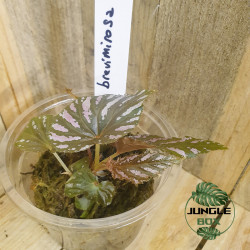
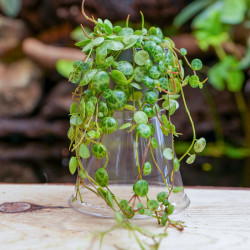
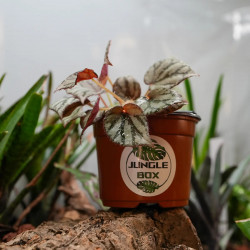
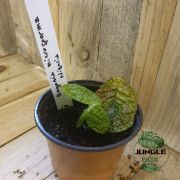
Begonia microsperma is a smaller species of begonia that is admired for its compact growth and attractive foliage, making it a great choice for indoor plant enthusiasts.
Foliage:
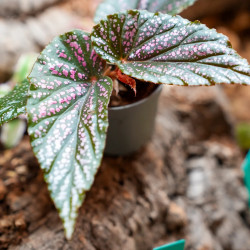
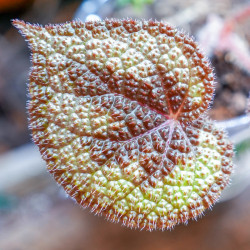
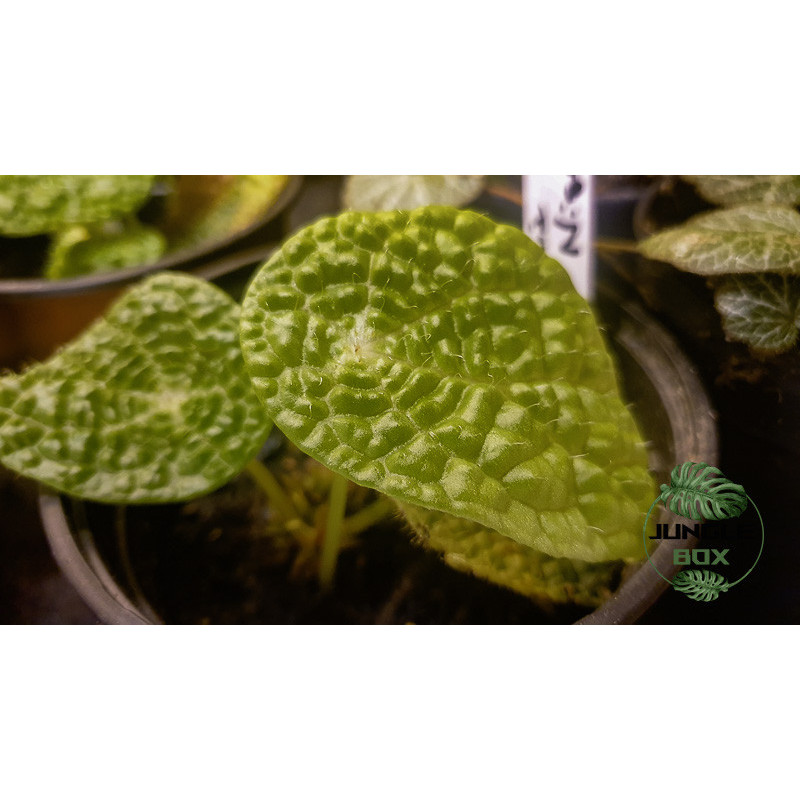
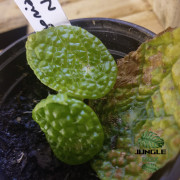
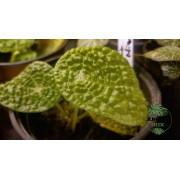
Begonia microsperma features small, roundish to heart-shaped leaves, typically a glossy dark green with slight red or burgundy veins running through. The leaves have a soft texture and can sometimes have a slight silvery sheen, adding to its charm.
Flowers:
Small, delicate white or pale pink flowers bloom in clusters during its growing season, often in the spring or summer. The flowers are not as prominent as the foliage but add a subtle yet beautiful contrast.
Mature Size:
This species remains relatively small, with a height typically reaching about 15 to 30 cm (6–12 inches) and a width of about 15 cm (6 inches), making it an ideal plant for small spaces or as part of a mixed arrangement.
Growth Habit:
It has a compact, bushy growth habit, forming a low, dense clump with a somewhat trailing appearance.
Light:
Prefers bright, indirect light. Too much direct sunlight can scorch the leaves, so it’s best placed near a window with filtered light or in a partially shaded area.
Temperature:
Thrives in warm temperatures, ideally between 18°C and 24°C (65°F to 75°F). It does not tolerate cold temperatures well and should be protected from drafts or temperatures below 10°C (50°F).
Humidity:
Enjoys higher humidity levels, making it a good plant for bathrooms or areas with regular misting or a humidifier. Humidity levels around 50% or higher are ideal.
Watering:
Water moderately, allowing the soil to dry slightly between waterings. Be careful not to overwater, as begonias are susceptible to root rot if left in standing water. Ensure the pot has good drainage.
Soil:
Requires a well-draining, lightweight soil mix, preferably a peat-based mix. It’s important to avoid heavy, compacted soils.
Fertilization:
Feed with a diluted liquid fertilizer during the growing season (spring and summer) every 4–6 weeks to encourage healthy growth. Reduce feeding in fall and winter when the plant is less active.
By Cuttings:
Begonia microsperma can be propagated easily by stem cuttings or leaf cuttings. Place cuttings in a humid environment to promote root development. It’s also possible to propagate through division if the plant grows large enough.
Due to its small size, Begonia microsperma is perfect for indoor spaces, including terrariums, small shelves, or as a desk plant. It’s also a good candidate for hanging baskets or as part of an indoor plant arrangement, where its compact size and attractive foliage can stand out.

Specific References