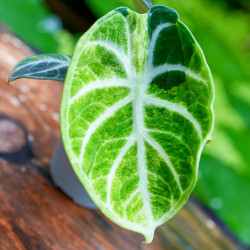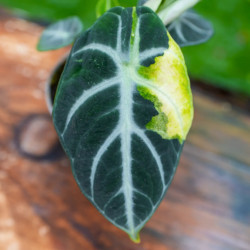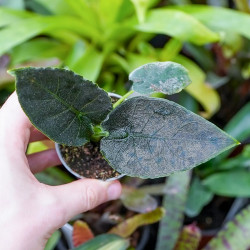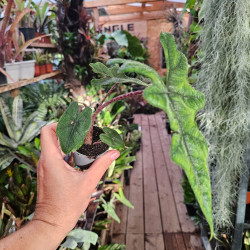
Araceae
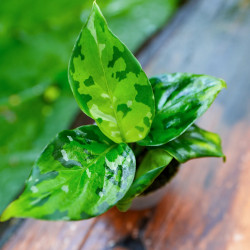
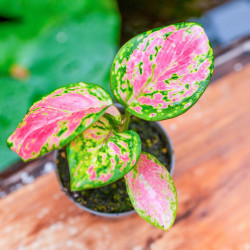
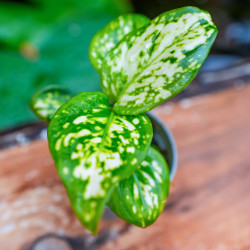
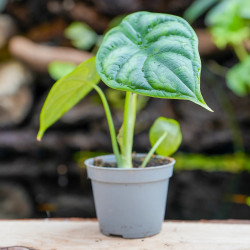
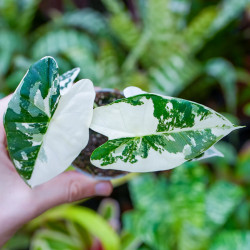
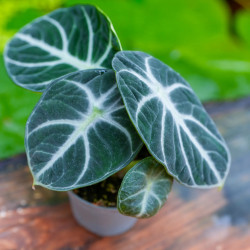
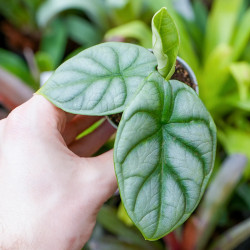
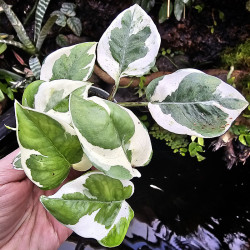
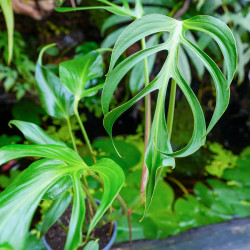
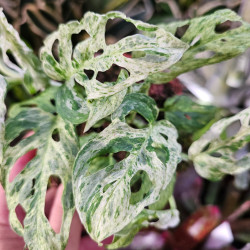
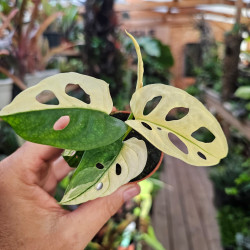
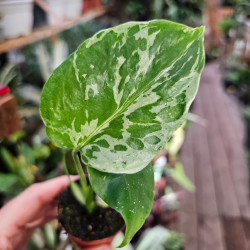
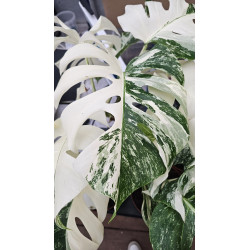
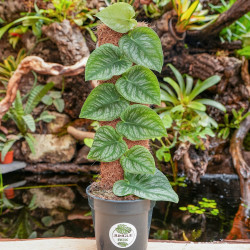
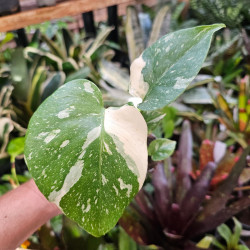
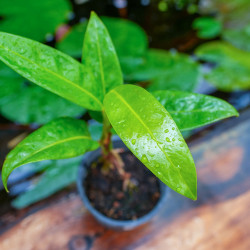
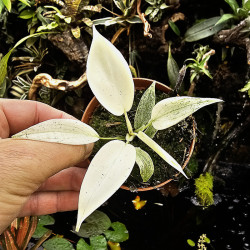
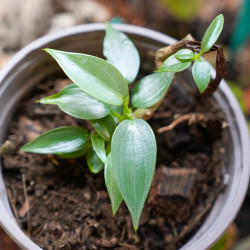
The Araceae family brings together some of the most iconic plants of the tropical rainforest.
Known for their stunning foliage, architectural shapes, and lush greenery, they instantly transform any terrarium into a vibrant jungle.
At JungleBox, we select strong, terrarium-compatible species such as Philodendron, Monstera, Alocasia, Anthurium, Syngonium, and Scindapsus.
These plants thrive in warm, humid environments with gentle light, perfectly mirroring their natural habitats beneath the rainforest canopy.
🌱 JungleBox Tip:
Combine your Araceae with bromeliads, mosses, and creeping plants to build a balanced, self-sustaining ecosystem.
Their broad leaves help retain moisture, shelter microfauna, and add vertical structure and realism to your terrarium design.
Discover our range of heart-shaped Philodendrons, silver-veined Alocasias, and climbing Syngoniums — each one carefully chosen for its natural beauty and ecological harmony within tropical microhabitats.
Whether you’re creating a lush vivarium for dart frogs, or simply bringing the essence of the rainforest into your home, Araceae offer endless possibilities for green design.
Subcategories
-
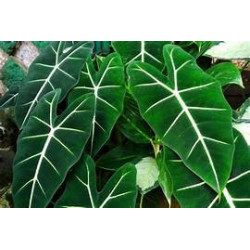
Alocasias
Alocasias – Exceptional Tropical Plants
Alocasias are tropical plants belonging to the Araceae family, renowned for their dramatic foliage, often featuring bold venation, textured surfaces, and metallic or striking color tones. Highly ornamental, they bring a strong exotic presence to indoor plant collections and tropical setups.
Native to the humid forests of Asia and Oceania, they thrive in warm, shaded, and highly humid environments where they can fully develop their lush and sculptural foliage.
Growing conditions
Alocasias require bright indirect light, high humidity, and a rich yet well-draining substrate. They are sensitive to direct sunlight and excess water retention, which can damage their root system.
Use
Perfect for indoor cultivation, large tropical terrariums, and paludariums, they integrate beautifully into lush and modern plant compositions.
Key features
- Highly decorative and diverse foliage depending on the variety
- Strong tropical aesthetic
- Ideal for aroid collections
- Well-suited for controlled humid environments
JungleBox tip
Use an airy substrate mix (coconut fiber, bark, perlite, and sphagnum moss) and maintain stable humidity for optimal growth and healthy foliage development.
-
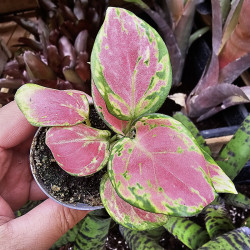
Aglaonema
Aglaonemas – Decorative and easy tropical plants
Aglaonemas are tropical plants belonging to the Araceae family, well known for their highly decorative foliage with a wide range of patterns, often combining shades of green, silver, cream, and pink. They are widely appreciated as indoor plants due to their adaptability and strong ornamental appeal.
Native to the tropical forests of Southeast Asia, they naturally grow in shaded and humid environments, making them perfectly suited for indoor cultivation.
Growing conditions
Aglaonemas prefer low to moderate indirect light, moderate to high humidity, and a light, well-draining substrate. They are among the most tolerant tropical plants for indoor conditions.
Use
Ideal as indoor decorative plants, they fit perfectly in living rooms, offices, and tropical plant compositions. Some larger varieties can also be grown in spacious terrariums.
Key features
- Highly decorative foliage with varied color patterns
- Very tolerant to indoor conditions
- Low-maintenance and resilient plant
- Perfect for beginners and tropical plant collections
JungleBox tip
Use a light, well-draining substrate mix such as coconut fiber, perlite, and fine bark, and avoid overwatering to maintain healthy roots and vibrant foliage.
-
Anthurium
Anthuriums – Exotic tropical plants with striking foliage
Anthuriums are tropical plants belonging to the Araceae family, valued for both their ornamental foliage and, in some species, their iconic spathes. They are highly appreciated in plant collections for their elegant, exotic appearance and strong decorative impact.
Native to the tropical rainforests of Central and South America, they naturally grow in warm, humid, and shaded environments, often as epiphytes or semi-epiphytes on trees.
Growing conditions
Anthuriums require bright indirect light, high humidity, and a very airy, well-draining substrate. They are sensitive to overwatering and benefit from excellent root aeration.
Use
Perfect for indoor tropical plant collections, terrariums (for compact varieties), and paludariums. They are especially prized for their decorative foliage and architectural presence.
Key features
- Highly ornamental foliage, often glossy or textured
- Strong tropical and exotic appearance
- Epiphytic or semi-epiphytic growth habit
- Valued collector plants in aroid collections
JungleBox tip
Use a very airy mix (sphagnum moss, bark, perlite, and coconut fiber) and maintain constant humidity with good air circulation to avoid root stress and promote healthy growth.
-
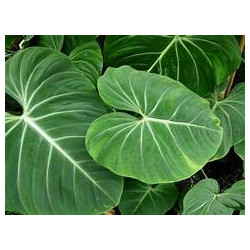
Philodendron
Philodendron is a genus of tropical perennial plants belonging to the Araceae family, known for their large, decorative leaves and ease of care. These plants are popular as houseplants due to their attractive foliage and adaptability to indoor environments.
🌱 Botanical Characteristics
-
Foliage:
Philodendrons feature large, often heart-shaped or arrow-shaped leaves, though some species have deeply lobed or cut leaves. The colors range from vibrant green to dark green, with some varieties, like Philodendron 'Red Emerald', showing red or purple hues. -
Flowers:
Like most plants in the Araceae family, Philodendrons produce flowers in the form of spathes surrounding a spadix. However, their flowers are usually small and not very ornamental, and Philodendrons are primarily grown for their foliage. -
Mature Size:
Philodendrons vary significantly in size depending on the species. Some, like Philodendron scandens, remain relatively small (around 30 to 60 cm), while others, like Philodendron bipinnatifidum, can grow up to several meters tall. -
Growth Habit:
Philodendrons can have a creeping, climbing, or upright growth habit. Climbing varieties need a support or trellis to grow on, while upright types form compact bushes.
🪴 Care and Cultivation
-
Light:
Philodendrons prefer bright, indirect light but can tolerate low light conditions. However, too little light may slow down their growth and cause the loss of vibrant leaf colors. Avoid direct sunlight, as it can scorch the leaves. -
Temperature:
These plants thrive in warm temperatures, ideally between 18°C and 25°C (64°F to 77°F). They are sensitive to temperatures below 10°C (50°F) and should be protected from cold drafts. -
Humidity:
Philodendrons prefer moderate to high humidity but adapt well to average room humidity. More tropical varieties, like Philodendron gloriosum, require higher humidity to thrive. -
Watering:
Water moderately, allowing the soil to dry slightly between waterings. Be careful not to overwater, as this can lead to root rot. Ensure the pot has good drainage. -
Soil:
A well-draining, lightweight potting mix is essential for Philodendrons. A mix formulated for houseplants, with added perlite or sand, works well. Avoid heavy or compacted soils. -
Fertilization:
Feed Philodendrons with a balanced liquid fertilizer during the growing season (spring and summer). Reduce or stop fertilizing in fall and winter when the plant is less active.
🌱 Propagation
-
By Stem Cuttings:
Philodendrons are easy to propagate from stem cuttings. Take a cutting with at least one node and place it in water or moist soil to encourage rooting. -
By Division:
Some species of Philodendrons, especially bushy types, can be divided during repotting to create new plants.
🌍 Uses
Philodendrons are mainly grown as houseplants due to their decorative foliage and low maintenance. Some, like Philodendron hederaceum, are great for hanging baskets, while others, like Philodendron bipinnatifidum, are ideal for large pots or corner displays.
🌟 Popular Philodendron Varieties:
-
Philodendron scandens (or Heartleaf Philodendron) – A small, trailing variety with heart-shaped leaves.
-
Philodendron bipinnatifidum (or Tree Philodendron) – A larger species with deeply divided, ornamental leaves.
-
Philodendron gloriosum – A stunning variety with large, velvety leaves and striking white or silver veins.
-
Philodendron selloum – A large, deeply cut-leaf variety, perfect for adding a tropical look to any space.
Philodendrons are versatile plants that adapt well to various indoor environments. They are not only aesthetically pleasing but also easy to care for, making them an excellent choice for both beginner and experienced gardeners. 🌿
-
-
Rhaphidophora
-
Scindapsus (Epipremnum)
Scindapsus & Epipremnum – Trailing and easy tropical plants
Scindapsus and Epipremnum are tropical plants belonging to the Araceae family, widely appreciated for their decorative foliage and vigorous growth. They are perfect for creating lush, trailing greenery in indoor spaces and plant compositions.
Native to the tropical forests of Asia and the Pacific, they naturally grow as climbing or trailing plants in warm, humid understory environments, often using trees for support.
Growing conditions
These plants tolerate a wide range of conditions but prefer bright indirect light, moderate to high humidity, and a light, well-draining substrate. They are among the most resilient and adaptable tropical plants.
Use
Ideal for indoor decoration, hanging pots, vertical gardens, and tropical plant compositions. They can also be used in large terrariums or paludariums.
Key features
- Highly decorative foliage, often variegated or textured
- Fast and vigorous growth
- Very low maintenance
- Perfect for beginners and lush plant setups
JungleBox tip
Use a light substrate mix such as coconut fiber, perlite, and fine bark, and allow the soil to dry slightly between waterings to prevent excess moisture.
-
Schismatoglottis
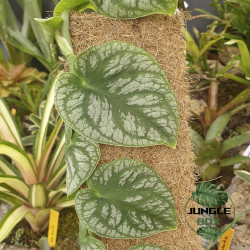
Schismatoglottis – Rare tropical plants with decorative foliage
Schismatoglottis are tropical plants belonging to the Araceae family, still relatively uncommon in cultivation but highly valued by collectors for their often textured, veined, or subtly patterned foliage. They bring a unique and natural touch to tropical plant compositions.
Native to the humid forests of Southeast Asia, they grow in warm, shaded, and very humid environments, typically on forest floors rich in organic matter.
Growing conditions
Schismatoglottis prefer low to medium indirect light, high humidity, and a rich yet very well-draining substrate. They require constant moisture without waterlogging.
Use
Ideal for tropical terrariums, paludariums, and controlled indoor environments. They are especially suited for rare plant collections and naturalistic setups.
Key features
- Highly unique and often textured foliage
- Still rare in cultivation
- Good adaptation to humid environments
- Strong interest for collectors
JungleBox tip
Use a very airy, organic-rich substrate (coconut fiber, sphagnum moss, fine bark) and maintain stable humidity to prevent root stress.
-
Syngonium
Syngonium – Tropical climbing plants with decorative foliage
Syngoniums are tropical plants belonging to the Araceae family, widely appreciated for their elegant, arrow-shaped leaves and diverse color variations. They are highly versatile plants that evolve in form as they mature, often shifting from compact growth to climbing vines.
Native to the tropical forests of Central and South America, they naturally grow in warm, humid environments where they climb trees or spread across the forest floor.
Growing conditions
Syngoniums prefer bright indirect light, moderate to high humidity, and a light, well-draining substrate. They are adaptable and relatively easy to grow in indoor environments.
Use
Ideal for indoor plant collections, hanging pots, climbing supports, and tropical compositions. They also adapt well to terrariums when pruned regularly.
Key features
- Arrow-shaped decorative foliage
- Wide range of colors and variegations
- Fast growth and strong adaptability
- Excellent for beginners and tropical setups
JungleBox tip
Provide a light substrate mix (coconut fiber, perlite, and fine bark) and a support if you want to encourage climbing growth for larger leaves.