- New
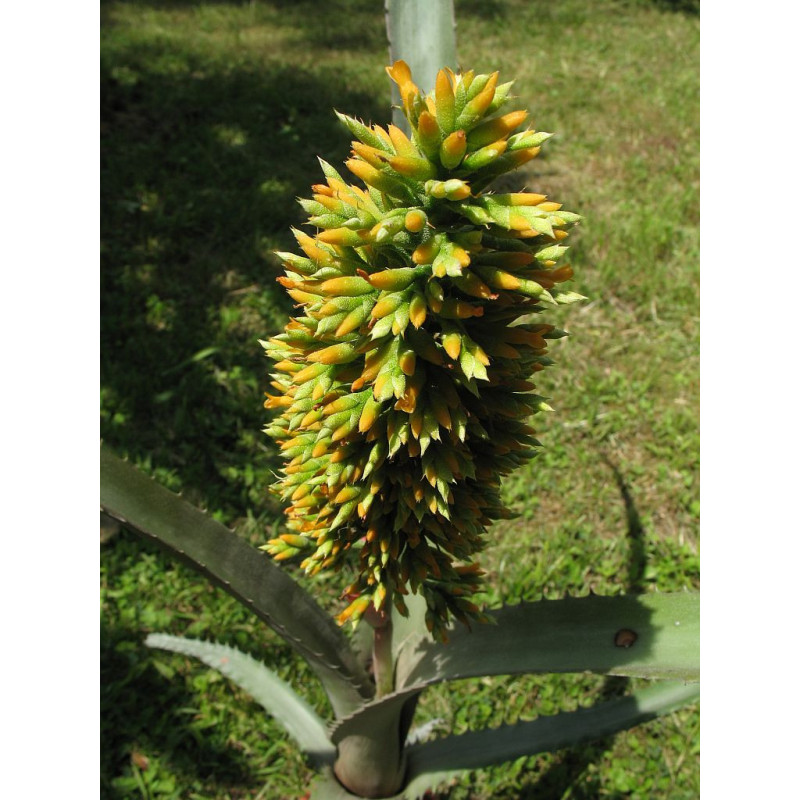
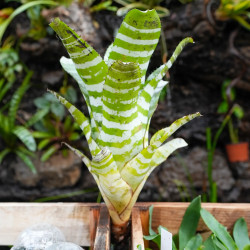
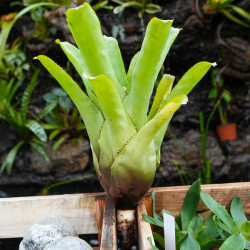
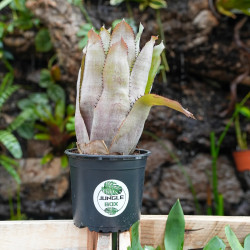
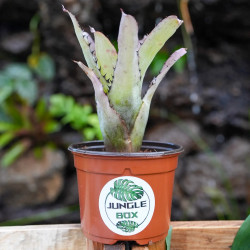
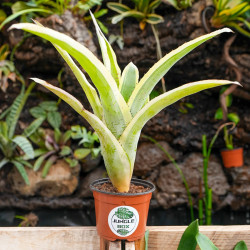
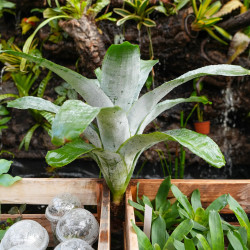
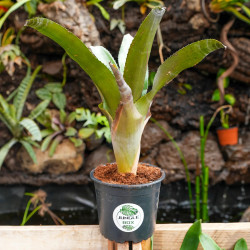
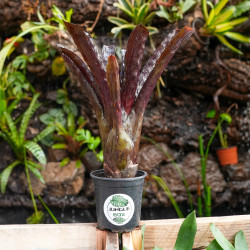
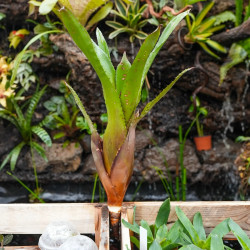
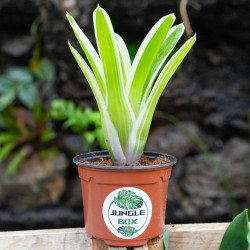
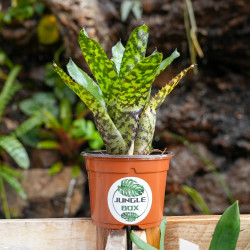
Aechmea tocantina is a botanical bromeliad native to tropical South America, growing naturally as an epiphyte or lithophyte and forming a large structured rosette. Ideal for large tropical terrariums, paludariums and naturalistic displays.

Security policy


Satisfaction guaranteed or your money back
 Free shipping on orders over €59
Delivery throughout Europe in 48 hours.
Aechmea tocantina is a natural tropical bromeliad particularly suited to large terrariums, paludariums and Bromeliaceae collections. It develops a structured rosette of elongated, leathery leaves, giving it a strong natural appearance that works especially well in large tropical displays.
The species is naturally distributed across a broad area of northern South America. It grows as an epiphyte or lithophyte in wet tropical environments, making it well suited to humid but well-aerated cultivation.
Bromeliaceae
Aechmea
Aechmea tocantina Baker
Aechmea tocantina is currently accepted as a valid botanical species. It was originally described by John Gilbert Baker in 1889.
The species is native to tropical South America, including Brazil, Bolivia, Colombia, Venezuela, Guyana, Suriname and French Guiana.
In Colombia, it has been recorded from the Orinoquia region, particularly Casanare and Meta, at elevations of approximately 156 to 450 metres.
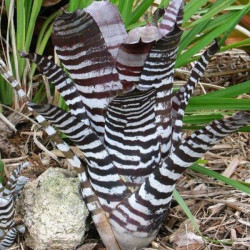
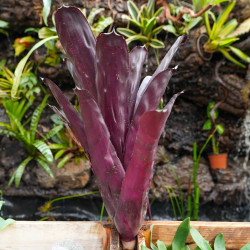
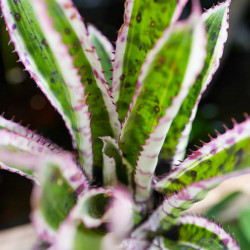
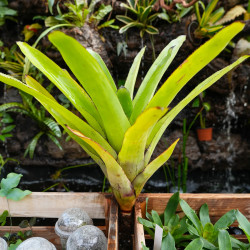
Aechmea tocantina forms a broad rosette composed of elongated, firm and slightly arching leaves. Its habit quickly creates volume and structure, making it an excellent focal plant in planted displays.
Foliage appearance may vary slightly depending on light intensity, plant age and growing conditions.
This species has an intermediate to relatively large development and requires more room than compact Neoregelia or Racinaea species.
As it matures, the rosette broadens and may produce offsets around the base, gradually forming a natural group.
In nature, Aechmea tocantina can grow as either an epiphyte or lithophyte. It can therefore be cultivated on branches, natural roots, cork or in a highly free-draining substrate.
When mounted, secure the plant firmly and maintain regular humidity around the roots without keeping them permanently waterlogged.
When grown in a pot, use a highly aerated and free-draining mixture containing pine bark, coco chips, volcanic rock, perlite and a small amount of sphagnum moss.
Avoid heavy, compact substrates that remain permanently saturated.
Keep a small amount of soft or low-mineral water in the central rosette and refresh it regularly.
The root area may remain lightly moist, but good aeration around the roots should always be maintained.
Humidity of approximately 60% to 85% works well under tropical cultivation.
As with most epiphytic bromeliads, high humidity should always be combined with good airflow.
Ideal growing temperature: approximately 20°C to 28°C.
Avoid prolonged exposure to cold temperatures and cold draughts.
Aechmea tocantina prefers bright filtered light. Good light intensity encourages compact and regular growth.
Avoid sudden exposure to harsh direct sunlight through glass, particularly if the plant has not been gradually acclimated.
Moderate growth. Once established, the plant gradually develops a broad rosette and can produce several offsets.
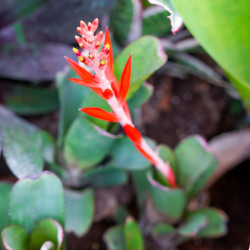
At maturity, Aechmea tocantina produces a central inflorescence typical of the genus Aechmea. After flowering, the main rosette gradually declines while offsets continue the plant.
Propagation is mainly carried out by separating offsets once they have reached a suitable size.
Remove old or damaged leaves when necessary. Refresh the water inside the rosette regularly and prevent excessive organic material from accumulating in the centre.
Use a very weakly dosed fertiliser formulated for bromeliads or tropical plants during active growth.
Avoid strong concentrations and mineral salt build-up inside the rosette.
Aechmea tocantina is particularly interesting for displays seeking a true South American botanical species rather than a horticultural hybrid.
Its structured habit, epiphytic or lithophytic growth and broad natural distribution make it an excellent choice for large naturalistic tropical displays.
In a large terrarium, position Aechmea tocantina slightly elevated or toward the rear so its mature growth does not overshadow smaller plants.
Mounting it onto a large root or cork panel highlights its natural epiphytic character while providing excellent airflow around the roots.

Specific References
You might also like
Aechmea tocantina is a botanical bromeliad native to tropical South America, growing naturally as an epiphyte or lithophyte and forming a large structured rosette. Ideal for large tropical terrariums, paludariums and naturalistic displays.