- New
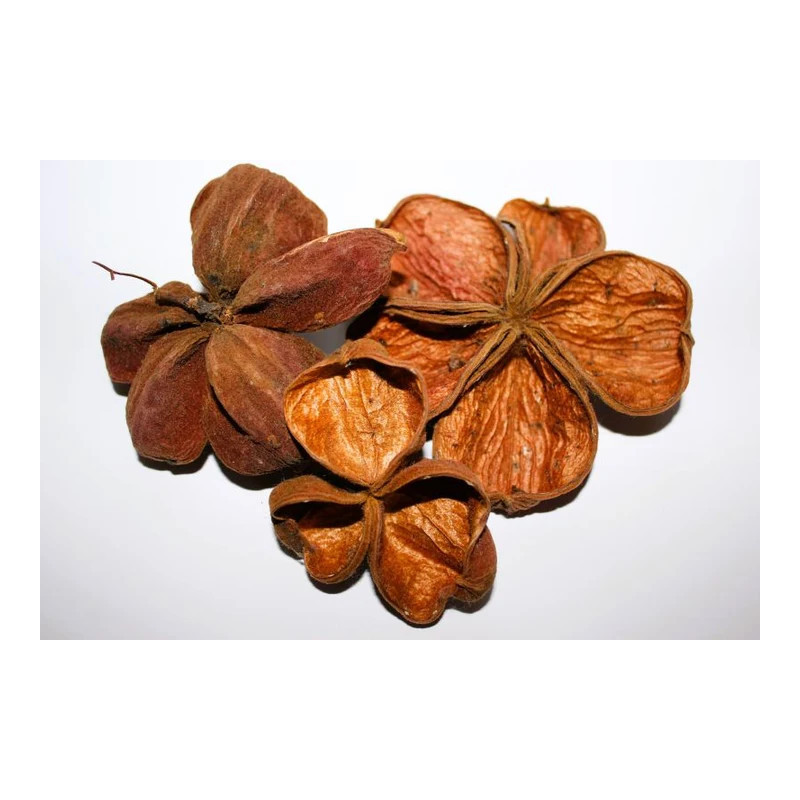
100% natural dried lotus pod with a distinctive honeycomb-like surface, ideal for bioactive terrariums, providing microfauna shelter and gradually adding organic matter to the substrate.

Security policy


Satisfaction guaranteed or your money back
 Free shipping on orders over €59
Delivery throughout Europe in 48 hours.
The dried lotus pod (Nelumbo nucifera) is a 100% natural decorative element, instantly recognisable by its distinctive honeycomb-like surface. Its graphic and unusual shape adds texture and a highly natural look to terrariums, vivariums and bioactive setups.
Placed directly on the substrate or incorporated into natural leaf litter, it helps recreate the diversity of shapes and materials naturally found on forest floors.
The cellular structure of the lotus pod makes it a particularly attractive decorative element. Each piece has a slightly different shape, size and colour, enhancing the natural appearance of the enclosure.
It can be combined with dried leaves, bark, wood pieces, mosses and other botanical materials to create a rich and realistic litter layer.
The numerous natural cavities of the pod provide small shelters that are especially useful for terrarium microfauna.
Springtails, small isopods and other detritivores can use these cavities as protected areas for shelter, exploration and foraging.
In a humid environment, the lotus pod gradually decomposes naturally. This process adds organic matter to the substrate and contributes to the biological cycle of a bioactive terrarium.
Microfauna and microorganisms present in the substrate gradually take part in its decomposition.
The pod can simply be placed on the substrate, partially incorporated into the litter layer or positioned between roots and stones to create a more complex and natural-looking layout.
Each lotus pod is unique. Size, shape, colour and the number of cavities may vary from one piece to another.
These variations are completely normal and are part of the natural character of the product.
Lotus pods enrich both the visual and biological structure of the enclosure. Their unusual texture immediately adds relief, while the cavities provide numerous micro-shelters for small organisms.
Their gradual decomposition also contributes organic matter to the substrate, making them particularly useful in bioactive setups.
Combine several natural materials of different shapes and sizes, such as Catappa leaves, lotus pods, bark pieces, small branches and mosses. This diversity helps recreate a true forest-floor litter layer while increasing the number of microhabitats available to terrarium fauna.
Specific References
100% natural dried lotus pod with a distinctive honeycomb-like surface, ideal for bioactive terrariums, providing microfauna shelter and gradually adding organic matter to the substrate.