- Out-of-Stock
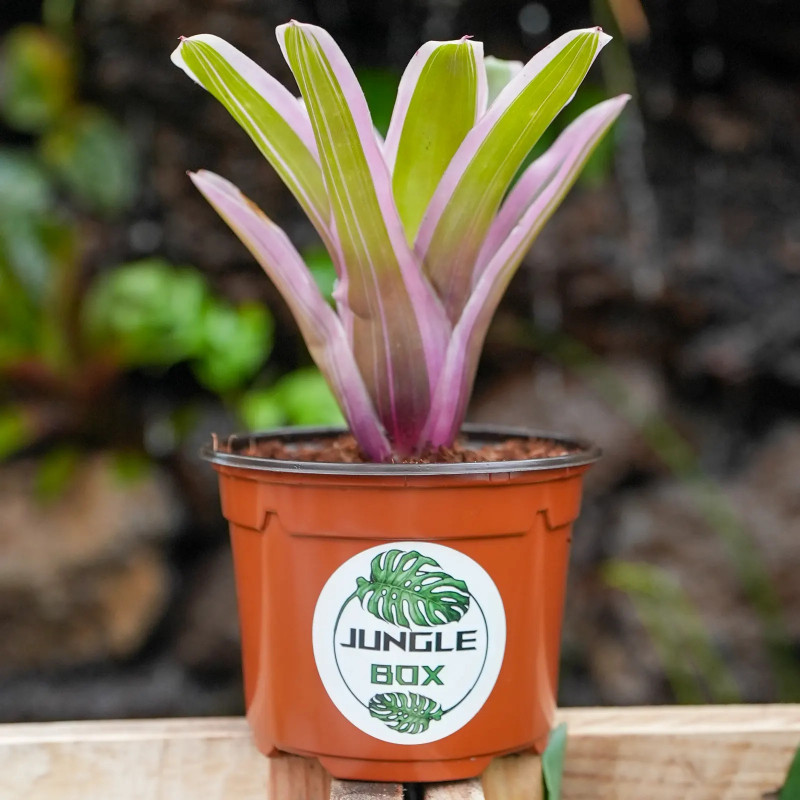
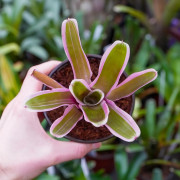
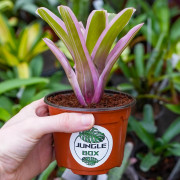
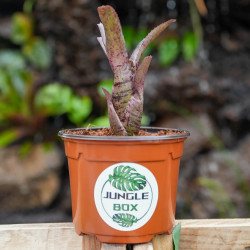
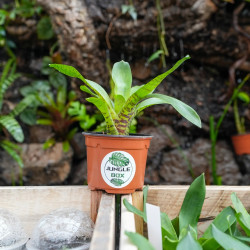
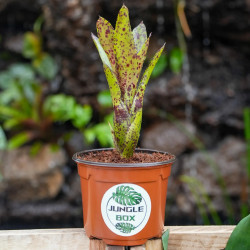
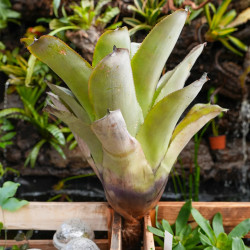
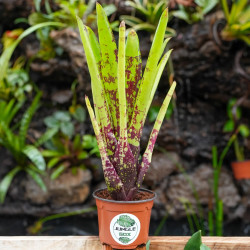
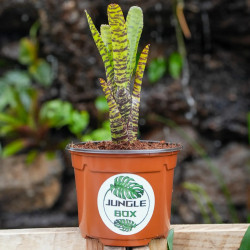
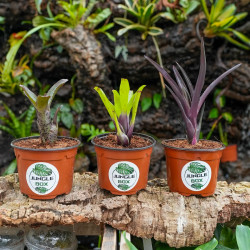
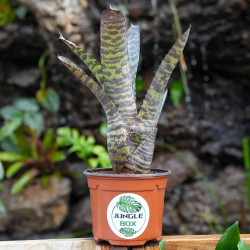
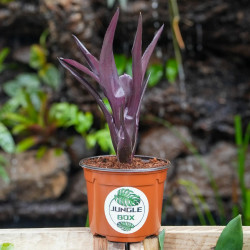
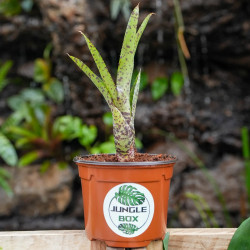
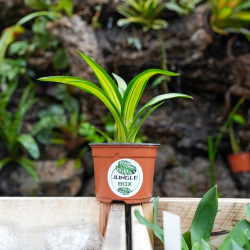
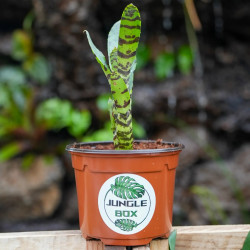
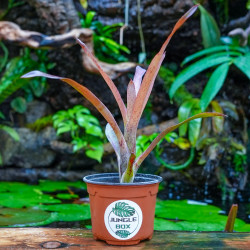
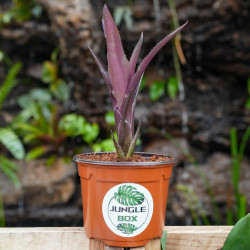
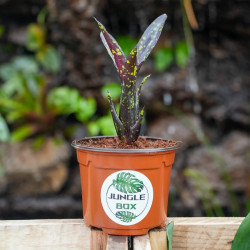
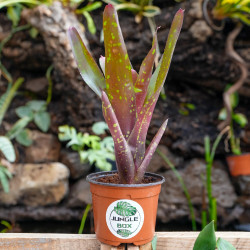
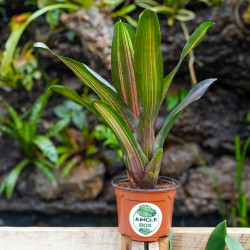
Neoregelia Mini is a small tropical bromeliad with a compact rosette and decorative foliage. Its manageable size makes it ideal for nano terrariums, dart frog enclosures and epiphytic displays on small pieces of natural wood, branches or cork. Perfect for creating lush, natural tropical displays even in confined spaces.

Security policy


Satisfaction guaranteed or your money back
 Free shipping on orders over €59
Delivery throughout Europe in 48 hours.
Neoregelia Mini is a small tropical bromeliad particularly appreciated for its compact size, decorative foliage and suitability for epiphytic cultivation.
Its small rosette makes it ideal for planting confined spaces, fine branches, natural wood and cork backgrounds. It is an excellent choice for creating lush tropical displays without overcrowding the enclosure.
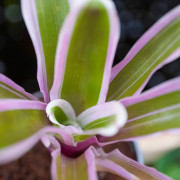
Particularly attractive for dart frog terrariums, it also provides small natural water reservoirs within the centre of its rosette.
Bromeliaceae
Neoregelia
Neoregelia Mini
A commercial designation referring to a small-growing Neoregelia. Its precise botanical identification and parentage have not been specified.
The genus Neoregelia is naturally represented throughout tropical South America, particularly in Brazil.
Many species naturally grow as epiphytes on trees in tropical forests.
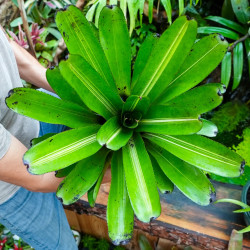
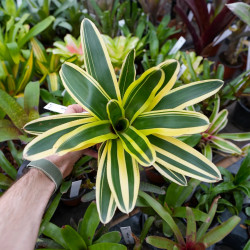
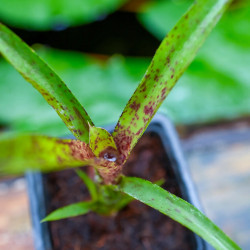
The plant develops relatively short, leathery leaves arranged harmoniously around the centre of the rosette.
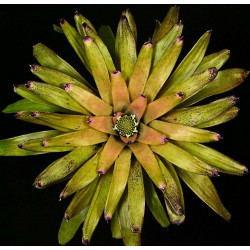
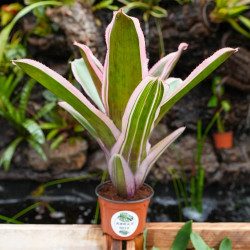
Depending on the selection, the foliage may display various shades of green, red, pink or purple, accompanied by spots, bands or marbled patterns.
Colour intensity and patterning naturally vary depending on light levels, maturity and growing conditions.
Neoregelia Mini displays a small, compact tank-forming rosette, particularly suitable for confined spaces.
After flowering, the mother rosette generally produces offsets that ensure the continuation of the plant and gradually develop into an attractive small colony.
Offsets can be left together to create a natural-looking group of several rosettes.
This bromeliad appreciates bright filtered light, regular moisture and good airflow.
Sufficient light encourages compact growth and allows the foliage to develop its full colour potential.
Avoid harsh direct sunlight, permanently waterlogged substrates and excessively stagnant conditions.
For pot cultivation, use a highly aerated and free-draining mix containing fine bark, coco chips, perlite and optionally a small amount of sphagnum moss.
Epiphytic cultivation is particularly attractive for this small bromeliad. It can be mounted directly on branches, natural wood, trunks or cork backgrounds.
Avoid burying the centre of the plant and maintain good airflow around its base.
Use soft, rain or reverse-osmosis water whenever possible.
Maintain a small amount of clean water in the centre of the rosette and refresh it regularly.
Water the roots as well. When mounted on natural supports, mist generously, generally two to three times per week, adjusting the frequency according to ambient conditions.
Avoid keeping the plant base permanently waterlogged.
Recommended humidity: 60% to 85%.
High humidity should always be combined with good airflow to reduce the risk of rot.
Recommended growing temperature: 18°C to 28°C.
Protect the plant from frost and avoid prolonged cold, wet conditions.
Growth rate depends on the selection, light levels, temperature and growing conditions.
Offset production gradually allows the plant to colonise natural supports and develop into small groups of bromeliads.
Size category: Mini.
A bromeliad selected for its compact growth habit.
Current plant size, coloration and development may vary depending on individual plants, season and availability.
Refresh the water held in the rosette regularly, remove old or damaged leaves and maintain adequate airflow around the plant.
Offsets can be separated once sufficiently developed or left attached to the mother plant to create a more natural-looking display.
Neoregelia Mini stands out for its compact size, decorative rosette and cultivation versatility.
A beautiful small bromeliad for recreating the botanical richness of tropical forests, even in compact planted enclosures.

Specific References
You might also like
Neoregelia Mini is a small tropical bromeliad with a compact rosette and decorative foliage. Its manageable size makes it ideal for nano terrariums, dart frog enclosures and epiphytic displays on small pieces of natural wood, branches or cork. Perfect for creating lush, natural tropical displays even in confined spaces.