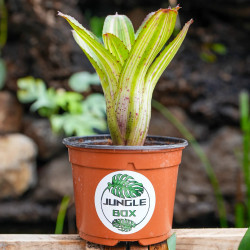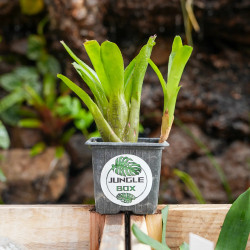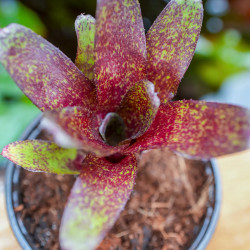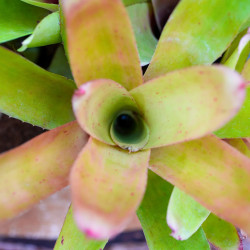
Subcategories
-
Aechgelia
-
AECHEMA
-
Alcantarea
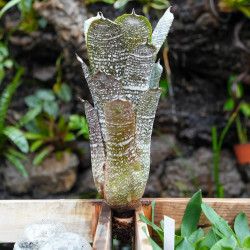
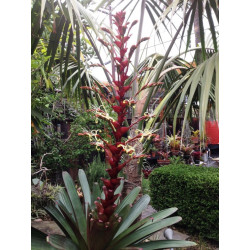
Alcantarea is a genus of giant bromeliads native to Brazil, known for its impressive rosettes and architectural form. Formerly classified within the genus Vriesea, Alcantarea stands out for its exceptional size, robustness and ornamental value, making it highly sought after by collectors and tropical plant enthusiasts.
-
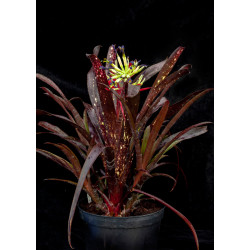
BILLGERGIA
-
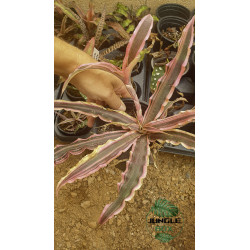
CRYPTANTHUS
-
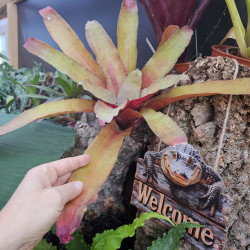
Edmundoa
The genus Edmundoa belongs to the Bromeliaceae family and includes a small number of rare species endemic to Brazil, mainly found in the Atlantic rainforest (Mata Atlântica). Formerly classified within the genus Quesnelia, Edmundoa is now recognized as a distinct genus based on specific morphological and floral characteristics.
Edmundoa bromeliads are characterized by structured rosettes composed of stiff, often arching leaves, and by ornamental inflorescences with colorful bracts and tubular flowers. The best-known species, Edmundoa lindenii, is especially valued by bromeliad collectors for its architectural form and striking appearance.
In cultivation, Edmundoa prefers bright indirect light, high humidity, and a very well-draining substrate, similar to those used for epiphytic or semi-terrestrial bromeliads. Stable temperatures and good air circulation are essential for healthy growth. Growth is moderate, but flowering is highly decorative and long-lasting.
Due to its rarity and botanical interest, Edmundoa is primarily recommended for experienced growers, tropical plant enthusiasts, and specialist collections.
-
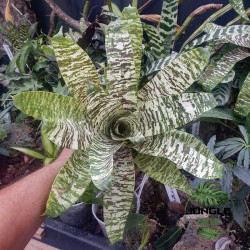
Goudea
-
Hohenbergia
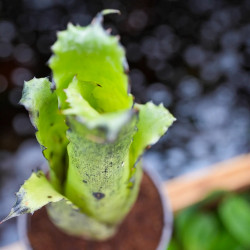
The Hohenbergia genus includes several tropical bromeliads native mainly to Central America and the Caribbean. These plants are prized for their stiff, often colorful leaves and striking inflorescences.
Ideal for indoor cultivation, greenhouses, or terrariums, Hohenbergia plants require bright, indirect light, a well-draining substrate, and moderate watering. Maintaining relatively high humidity helps mimic their natural tropical habitat.
Care is straightforward if their basic needs are met: avoid overwatering, provide light fertilization, and ensure a warm, stable environment. Some species grow slowly but remain highly decorative thanks to their architectural foliage and vibrant flowers.
For optimal growth and health, use a bromeliad-specific substrate and place your Hohenbergia in a bright spot away from direct sunlight.
-
Lemeltonia
Lemeltonia – Discover Tropical Bromeliads
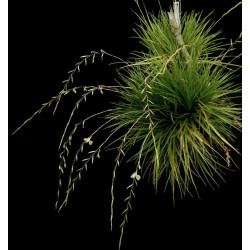
The genus Lemeltonia belongs to the Bromeliaceae family and comprises seven species native to Central and South America, also occurring in Trinidad. Established in 2016, it includes plants previously classified as Tillandsia, notably Lemeltonia dodsonii and Lemeltonia monadelpha.
These bromeliads offer an opportunity to explore the botanical diversity of the tropical Americas. Each species has its own foliage, growth habit and flowering characteristics, making the genus an appealing choice for enthusiasts looking to expand their collections beyond the most familiar bromeliads.
When choosing a Lemeltonia for a greenhouse or planted terrarium, consider the species, its mature size and its natural habitat. Light, humidity and temperature should be tailored to the requirements of each species.
-
Neoregelia
Neoregelia is a captivating genus of bromeliads originating from the tropical regions of Central and South America. These epiphytic plants are known for their striking foliage and unique growth habit.
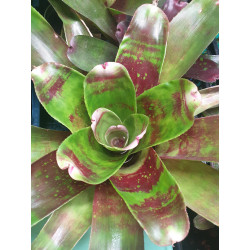
Neoregelia plants typically form rosettes of leaves that can vary in shape and color, ranging from broad and flat to narrow and tapering. The leaves often feature vibrant hues of red, pink, orange, yellow, or green, with patterns like stripes, spots, or mottling. One distinctive trait of Neoregelia is that the center of the rosette, known as the "tank," often holds water, serving as a reservoir for the plant.
When Neoregelia plants flower, the inflorescence emerges from the center of the rosette and is usually relatively short-lived compared to the colorful and long-lasting foliage. The flowers themselves are typically small and relatively inconspicuous, often appearing in shades of white, yellow, or blue.
Neoregelia bromeliads are popular as ornamental houseplants due to their attractive appearance and relatively low maintenance requirements. They thrive in bright, indirect light and prefer high humidity. These plants are commonly used in tropical and subtropical landscaping, as well as in indoor plant displays, adding a touch of exotic beauty to any setting.
-
Nidularium
-
QUESNELIA
-
Racinaea
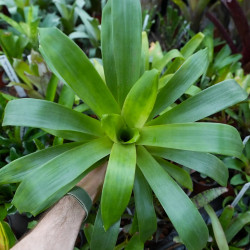
Racinaea is a genus of botanical bromeliads native to Central and South America. Formerly included within the large genus Tillandsia, Racinaea is now recognized as a distinct genus based on specific floral and morphological characteristics. These plants are typically epiphytic or saxicolous and are highly valued by collectors for their natural appearance and compact growth.
-
TILLANDSIA
-
VRIESEA
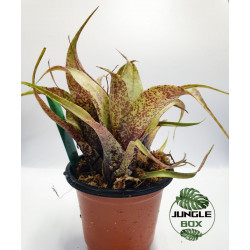
The Vriesea bromeliad is a fascinating and aesthetically pleasing plant native to tropical regions of Central and South America. This epiphytic plant is characterized by its narrow, stiff leaves arranged in a rosette, often displaying vibrant color patterns such as red, yellow, or green.
Vriesea plants also produce striking inflorescences that emerge from the center of the rosette. Their flowers are typically brightly colored, including shades of red, orange, or pink, and can last for several weeks, adding an exotic touch to any indoor space. These plants are prized for their unique decorative appearance and their ability to thrive in bright, humid indoor conditions.
-
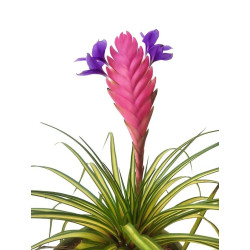
Wallisia
-
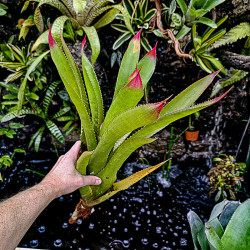
Wittmackia
-
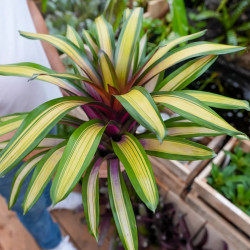
Grosse broméliacée