- New
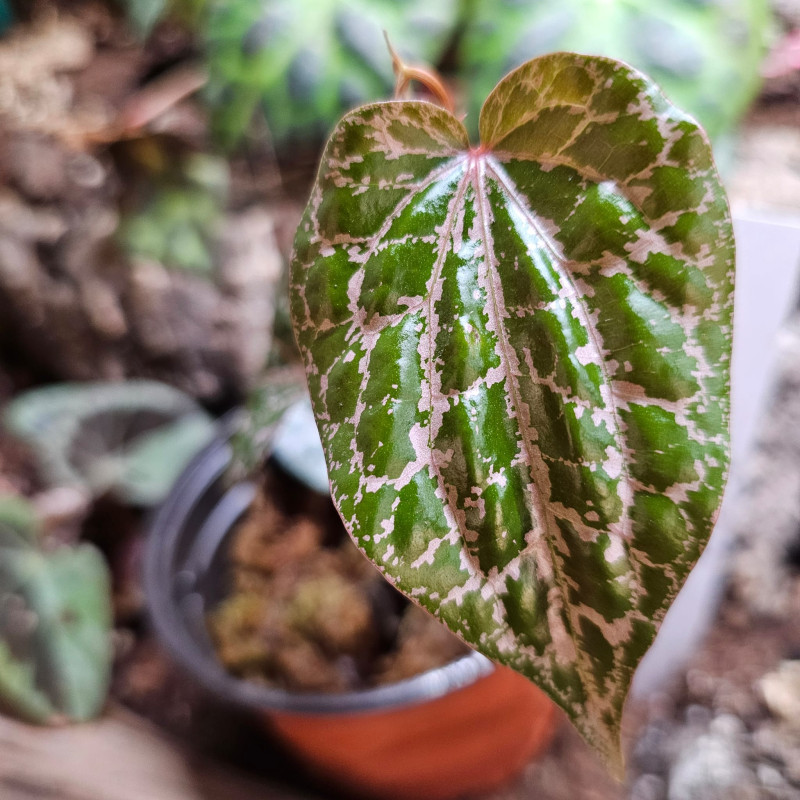
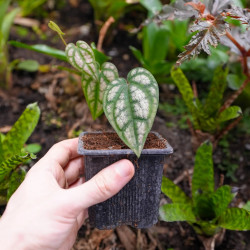
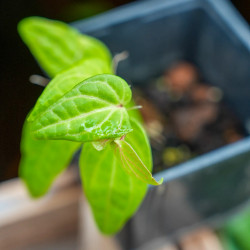
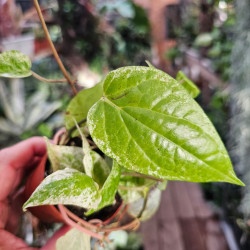
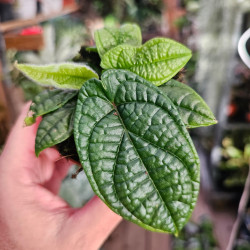
A spectacular tropical vine that instantly adds colour and depth to planted displays. Piper ornatum combines glossy green, pink and silver foliage with purple-toned undersides, while its climbing stems gradually cover natural wood, branches and cork panels. An excellent choice for creating dense, natural-looking vegetation in humid tropical terrariums.

Security policy


Satisfaction guaranteed or your money back
 Free shipping on orders over €59
Delivery throughout Europe in 48 hours.
Piper ornatum is a tropical vine from the Piperaceae family, native to Sulawesi, Indonesia. This botanical species is particularly valued for its spectacular foliage: glossy olive-green to dark green leaves marked with pink to silver patterns and veins, often combined with a reddish-brown to purple underside.
Its creeping then climbing habit, together with its preference for warm and humid conditions, makes it particularly suitable for humid tropical terrariums, emerged areas of paludariums and planted displays on wood or cork.
Piperaceae
Piper
Piper ornatum N.E.Br.
Sulawesi – Indonesia. Piper ornatum is an accepted botanical species naturally occurring in the wet tropical forests of Sulawesi.
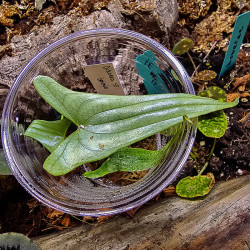
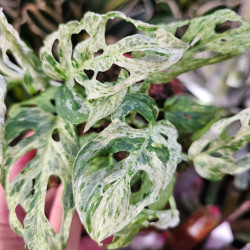
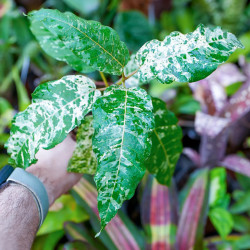
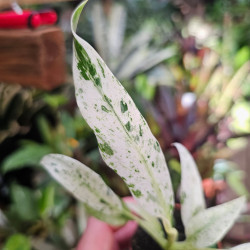
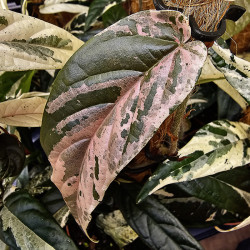
The main attraction of Piper ornatum is its glossy and highly decorative foliage. The olive-green to dark green leaves display irregular markings combining pink, silver and lighter green.
The underside of the leaves is generally reddish to purple, adding further contrast as the plant climbs or trails over a support.
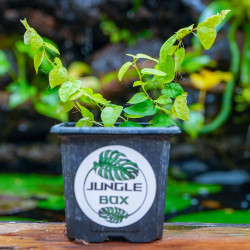
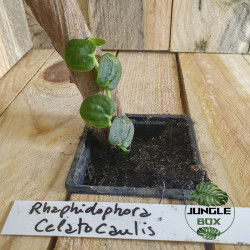
Piper ornatum is a tropical climbing vine. Young stems may initially trail across the substrate before searching for a support to climb.
Under suitable conditions, it can gradually cover natural wood, branches, cork panels or planted backgrounds. Regular pruning makes its growth easy to control in a terrarium.
Piper ornatum is particularly well suited to tropical terrariums thanks to its preference for high atmospheric humidity and filtered light.
Its climbing habit makes excellent use of vertical space and quickly creates the impression of dense tropical vegetation.
Natural wood, branches or cork panels allow the plant to fully express its climbing habit.
It can also initially be grown as a creeping plant before its stems are gradually guided onto the hardscape.
Use a light, organic and well-draining tropical substrate capable of retaining regular moisture without remaining waterlogged.
A mixture containing coco humus, fine bark, coco chips and perlite works particularly well.
Keep the substrate lightly and consistently moist without allowing stagnant water around the roots.
In very humid terrariums, watering should be reduced to prevent prolonged saturation.
Piper ornatum appreciates high humidity, ideally around 70 to 90%, combined with good airflow.
High humidity encourages new growth and can also help stems root when they come into contact with moist supports.
Ideally maintain temperatures between 20°C and 28°C.
Avoid prolonged temperatures below approximately 18°C and cold draughts.
Bright filtered light provides the best foliage colour and contrast.
Insufficient light can reduce the intensity of the markings, while strong direct sunlight may damage the leaves.
Growth is generally moderate but steady when warmth, humidity and light are sufficient.
The plant can easily be pruned to maintain a compact shape or encourage additional branching.
Like other Piper species, it produces small, discreet flower spikes. Indoors and in terrariums, the plant is primarily grown for its foliage rather than its flowers.
Piper ornatum can be propagated from stem cuttings. Sections containing several nodes can be placed in a warm, humid substrate until new roots develop.
Regularly trim long stems to prevent the plant from covering slower-growing species within the terrarium.
Remove old or damaged foliage and maintain a good balance between high humidity and sufficient airflow.
A tropical plant fertiliser used at low concentration during active growth is generally sufficient.
In enclosed or semi-enclosed terrariums, fertilise sparingly to avoid salt accumulation in the substrate.
Piper ornatum combines several qualities that make it particularly desirable in terrariums: richly coloured foliage, a climbing habit that integrates naturally into hardscape and excellent adaptation to humid tropical conditions.
Its pink and silver markings introduce colour into the display without relying exclusively on bromeliads or Fittonia.
Plant Piper ornatum at the base of natural wood or a cork panel and guide a few stems towards the support. Under high humidity, the plant can gradually establish itself and create the appearance of a true tropical vine within the enclosure.
For strong foliage contrast, provide bright but always filtered light.

Specific References
You might also like
A spectacular tropical vine that instantly adds colour and depth to planted displays. Piper ornatum combines glossy green, pink and silver foliage with purple-toned undersides, while its climbing stems gradually cover natural wood, branches and cork panels. An excellent choice for creating dense, natural-looking vegetation in humid tropical terrariums.