- New
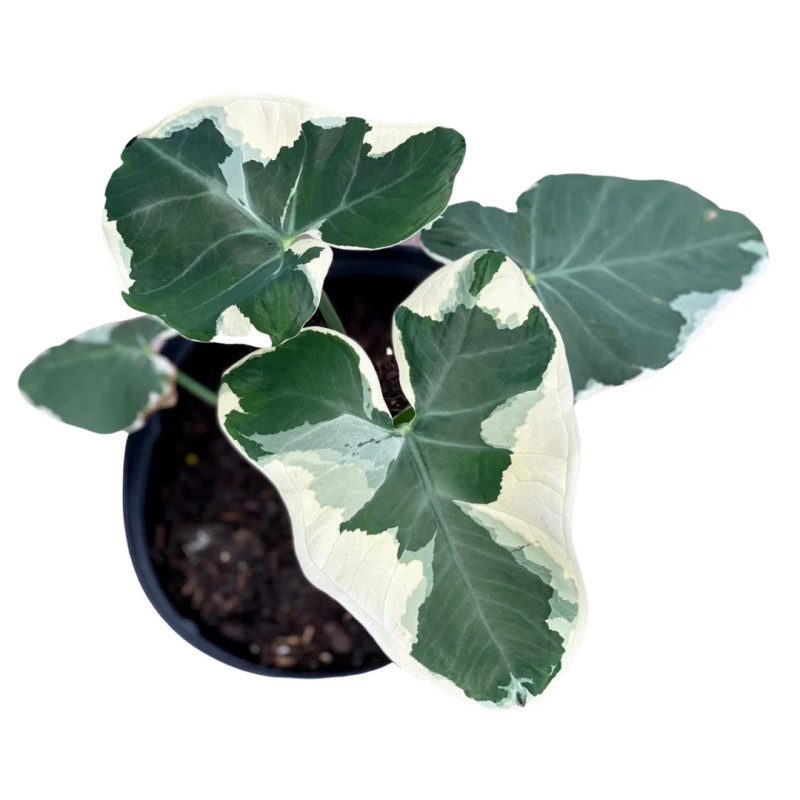
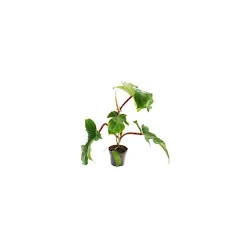
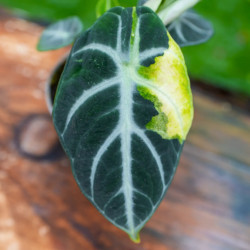
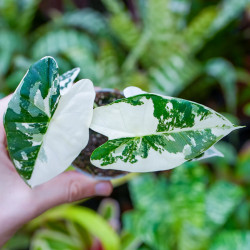
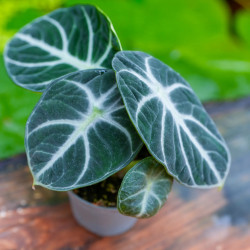
Xanthosoma sagittifolium 'Variegatum Monstrosum' is a collector tropical aroid with irregular green, cream and yellow variegated foliage and unusually shaped leaves. Supplied in an 8 cm pot, this young plant is suitable for tropical displays, large terrariums while young and emerged paludarium areas.

Security policy


Satisfaction guaranteed or your money back
 Free shipping on orders over €59
Delivery throughout Europe in 48 hours.
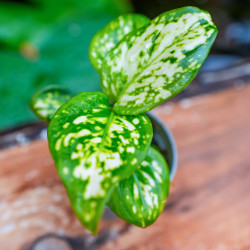
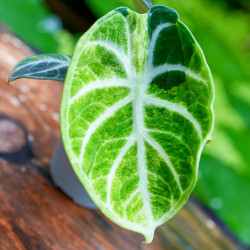
Xanthosoma sagittifolium 'Variegatum Monstrosum' is a spectacular collector tropical aroid prized for its highly unusual foliage combining deep green, cream, off-white and pale yellow.
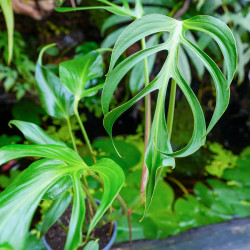
Each new leaf can develop a different pattern, with irregular variegation and a characteristic asymmetric or distorted shape. This unusual foliage shape has earned the plant the popular name “Mickey Mouse Plant”.
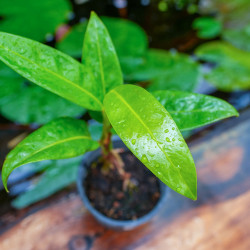
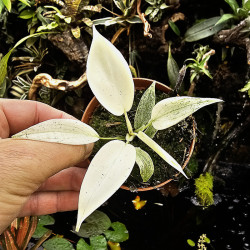
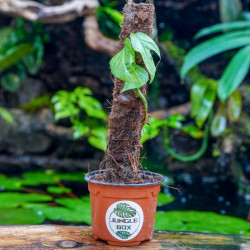
The plant is supplied in a Ø 8 cm pot, a young size suitable for starting cultivation or temporarily integrating into a suitably sized tropical terrarium.
Araceae
Xanthosoma
Xanthosoma sagittifolium
Xanthosoma sagittifolium 'Variegatum Monstrosum'
Mickey Mouse Plant / Mickey Mouse Taro
Ø 8 cm
Xanthosoma sagittifolium originates from tropical Central and South America. 'Variegatum Monstrosum' is a horticultural selection cultivated for its unusual ornamental foliage.
The leaves have an unusual sagittate shape that is often irregular and asymmetric, sometimes with a strongly reduced or elongated upper section.
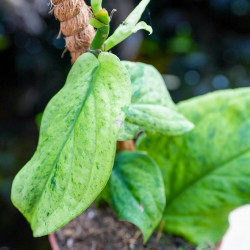
The variegation combines different shades of green, cream, off-white and yellow. Colour distribution varies between leaves, making every plant unique.
Xanthosoma sagittifolium 'Variegatum Monstrosum' is a tuberous herbaceous plant with relatively fast growth under suitable conditions.
The young plant supplied in an 8 cm pot is compact, but its future size should be considered: mature plants can reach approximately 1 to 1.5 metres tall.
Use a rich but well-draining and aerated substrate containing coco fibre or chips, organic material, perlite and fine bark.
The growing medium should remain lightly moist without staying permanently waterlogged.
Water regularly during active growth, allowing the surface of the substrate to dry slightly between waterings.
Avoid standing water around the roots, which can encourage rot.
Humidity of approximately 60% to 85% is suitable for this tropical plant.
High humidity encourages attractive foliage but should always be combined with adequate airflow.
Ideal growing temperature: approximately 20°C to 28°C.
This tropical plant prefers warm conditions and should be protected from prolonged cold temperatures.
Xanthosoma 'Variegatum Monstrosum' prefers bright filtered light.
Good light helps maintain strong variegation. Pale areas contain less chlorophyll and are therefore more sensitive to intense direct sunlight.
Moderate to fast growth during warm and bright conditions.
Growth may slow during winter or under reduced temperatures and light levels.
Like other aroids, Xanthosoma can produce an inflorescence consisting of a spathe surrounding a spadix. Indoors, flowering is secondary to the ornamental value of the foliage.
Propagation can be carried out by dividing the underground storage structure or separating new shoots once sufficiently developed.
Remove old or damaged foliage at the base and monitor the substrate regularly to keep it lightly moist without becoming saturated.
Rotating the pot occasionally can also encourage more balanced growth when light mainly comes from one direction.
Use a low-strength tropical plant or aroid fertiliser during active growth.
Reduce feeding significantly when growth slows.
This plant combines two particularly desirable characteristics: highly variable cream-to-yellow variegation and unusually shaped, almost sculptural foliage.
No two leaves are exactly alike, making it a particularly distinctive collector plant.
Take advantage of its young 8 cm pot size for tropical displays, but plan for its future growth. This plant eventually becomes much larger than a typical small terrarium plant.
Bright filtered light combined with a moist but well-drained substrate helps produce strongly contrasting foliage without damaging the pale sections.
As with many Araceae, the sap may be irritating. Avoid contact with eyes and mucous membranes and wash hands after pruning or handling damaged tissue.

Specific References
You might also like
Xanthosoma sagittifolium 'Variegatum Monstrosum' is a collector tropical aroid with irregular green, cream and yellow variegated foliage and unusually shaped leaves. Supplied in an 8 cm pot, this young plant is suitable for tropical displays, large terrariums while young and emerged paludarium areas.