- New
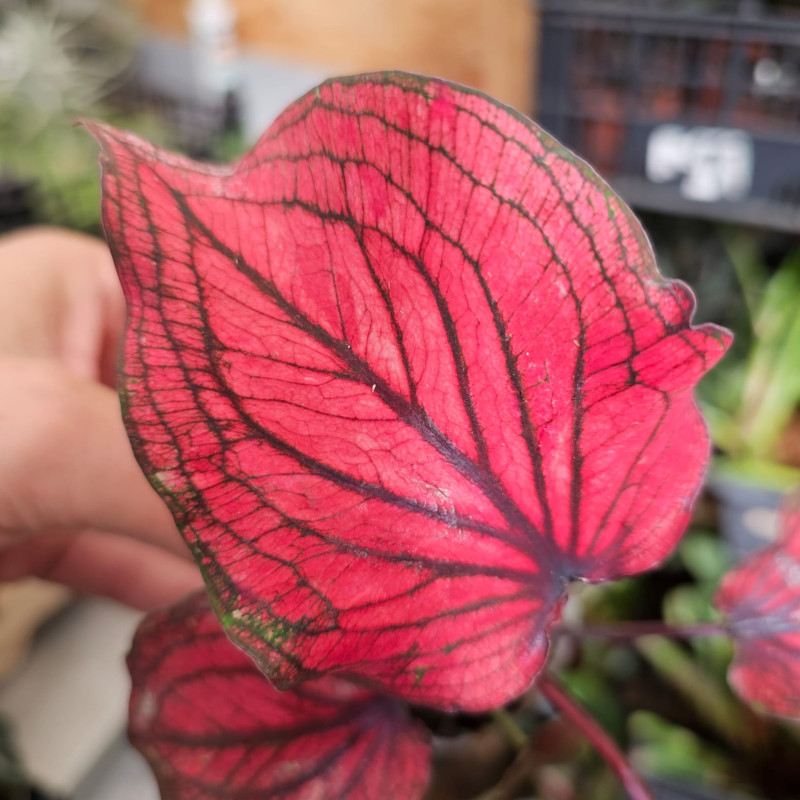
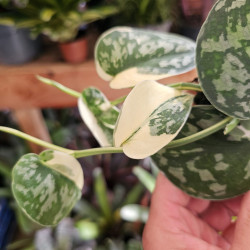
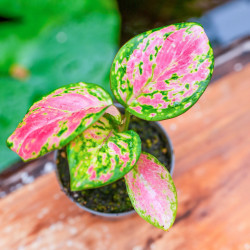
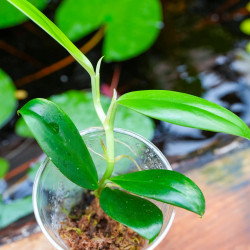
A miniature tropical firework in a 6 cm pot: Caladium 'Lucia' develops heart-shaped leaves where soft green meets pink, cream and deeper coloured veins. Every new leaf looks like a slightly different watercolour, making this an especially dynamic and colourful collector plant.

Security policy


Satisfaction guaranteed or your money back
 Free shipping on orders over €59
Delivery throughout Europe in 48 hours.
Caladium bicolor 'Lucia' is a spectacular tropical aroid grown for its delicate, colourful and almost translucent foliage. Its heart-shaped leaves combine soft green, pink, cream and white tones, often highlighted by deeper pink or purple veins.
Supplied in a Ø 6 cm pot, this young Caladium is an ideal size for adding an immediate splash of colour to tropical plant collections, spacious terrariums and bright planted displays.
Araceae
Caladium
Caladium bicolor
Caladium bicolor 'Lucia'
Ø 6 cm
'Lucia' is a horticultural selection. Caladium bicolor originates from tropical America, where Caladium species grow under warm and humid conditions.
The leaves are thin, flexible and broadly heart-shaped. Their colours generally combine pale green, vivid to soft pink and cream-to-white areas.
The veins and central areas may develop deeper pink to purplish tones, while the margins often remain greener.
Foliage colour may change depending on leaf age, light and growing conditions. Every new leaf can display a different balance of green, pink and cream.
Caladium 'Lucia' develops several leaves carried on slender petioles emerging directly from the tuber.
The plant has a light airy habit and may gradually form a broad colourful clump during active growth.
Use a light, humus-rich, aerated and free-draining substrate containing coco humus or fibre, perlite, fine bark and a small amount of sphagnum moss.
Keep the substrate lightly moist during active growth without leaving it permanently waterlogged.
Maintain regular moisture during active growth and allow the surface to begin drying slightly between waterings.
Reduce watering significantly when the foliage naturally begins to decline and the plant enters dormancy.
Caladium is a tuberous plant and may naturally enter a dormant period. Yellowing and disappearance of the foliage does not necessarily mean the plant has died.
During dormancy, keep the tuber warm and almost dry until growth resumes.
Humidity of approximately 60% to 80% is particularly suitable.
Good humidity supports large flexible foliage, although adequate airflow remains important.
Ideal growing temperature: approximately 20°C to 28°C.
Caladium prefers warm conditions and does not tolerate prolonged cold well.
Caladium 'Lucia' prefers bright filtered light.
Good light helps maintain intense colours, while harsh direct sunlight may quickly scorch the pink and cream areas.
Moderate to fast during active growth when warmth, light and humidity are adequate.
Growth slows considerably or stops during dormancy.
The plant may produce typical aroid inflorescences consisting of a spathe and spadix.
It is cultivated primarily for its decorative foliage.
Propagation is mainly carried out by dividing sufficiently developed tubers.
Remove only old or damaged foliage and handle the leaves gently, as they are naturally delicate.
Respect the plant's possible dormant period rather than maintaining heavy watering when growth naturally stops.
Use a balanced low-strength tropical plant fertiliser during active growth.
Stop or greatly reduce feeding during dormancy.
'Lucia' turns every leaf into a tropical colour palette: soft green around the margins, pink through the centre and cream highlights that almost look painted in watercolour.
Supplied in a 6 cm pot, this young specimen allows you to watch the colours evolve as successive leaves emerge.
Provide bright filtered light to develop vivid colours without scorching the pale foliage. If the leaves naturally disappear after active growth, reduce watering significantly: the tuber may simply have entered dormancy.
Like other Araceae, Caladium contains calcium oxalate crystals. The plant should not be ingested and its sap may be irritating.

Specific References
A miniature tropical firework in a 6 cm pot: Caladium 'Lucia' develops heart-shaped leaves where soft green meets pink, cream and deeper coloured veins. Every new leaf looks like a slightly different watercolour, making this an especially dynamic and colourful collector plant.