- New
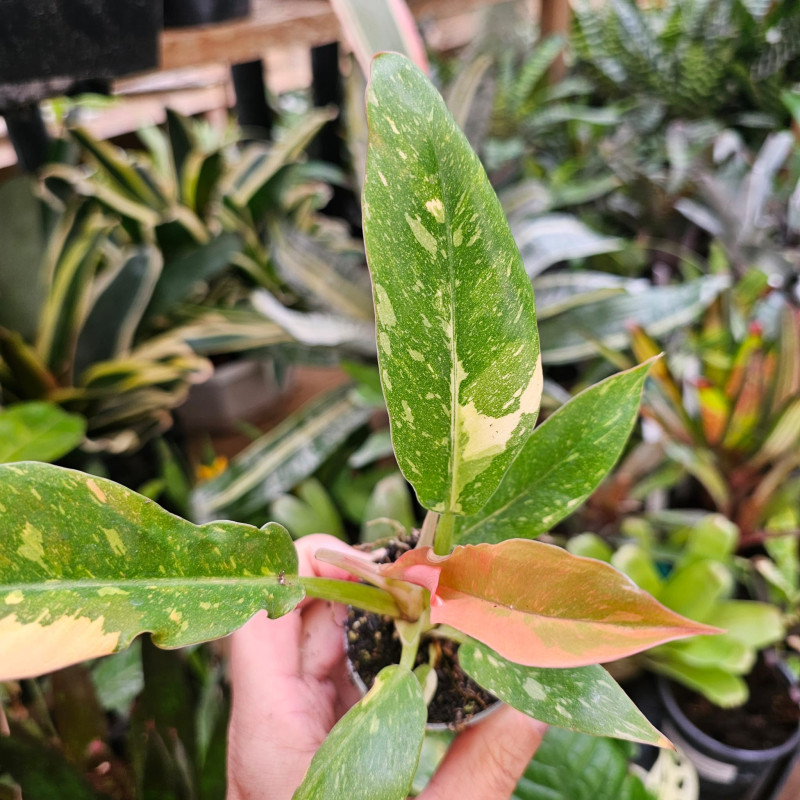
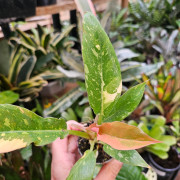
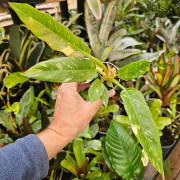
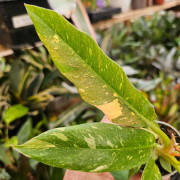
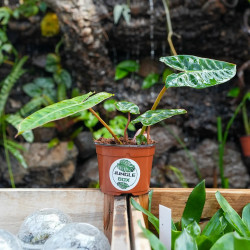
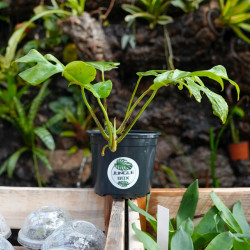
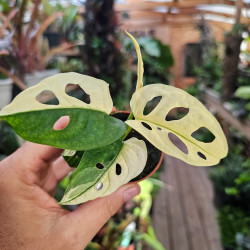
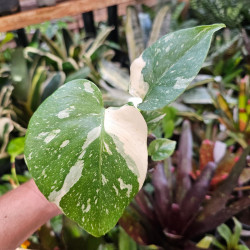
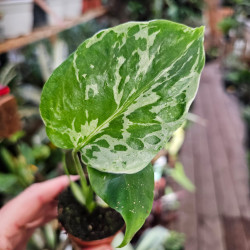
A true colour show, one leaf at a time: Philodendron 'Ring of Fire' can shift from copper and orange to yellow, cream and variegated green as each leaf matures. Supplied in a 6 cm pot, this young plant is ideal for watching the full transformation unfold with every new growth.

Security policy


Satisfaction guaranteed or your money back
 Free shipping on orders over €59
Delivery throughout Europe in 48 hours.
Philodendron 'Ring of Fire' is a spectacular collector tropical aroid prized for its highly variable foliage colours. New leaves may emerge in cream, yellow, orange or copper tones before gradually maturing into different shades of variegated green.
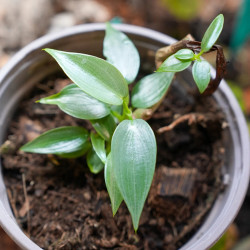
Supplied in a Ø 6 cm pot, this young plant is an excellent size for starting a collection and watching the characteristic colour transformation develop leaf after leaf.
Araceae
Philodendron
Philodendron 'Ring of Fire'
'Ring of Fire' is a horticultural selection grown for its colourful variegated foliage. As its exact parentage is inconsistently reported, JungleBox retains the name Philodendron 'Ring of Fire' without assigning an unsupported hybrid lineage.
Ø 6 cm
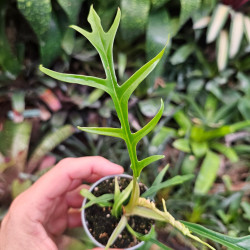
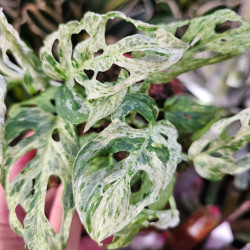
The leaves are elongated and become increasingly divided with maturity, displaying highly variable variegation.
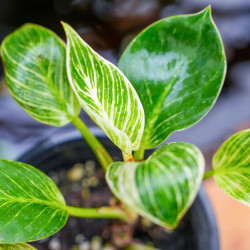
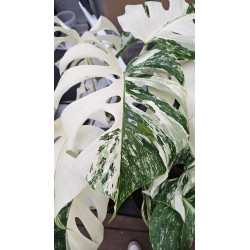
Depending on the individual leaf and growing conditions, colours may include pale green, deep green, cream, yellow, orange and occasionally coppery or reddish tones on emerging growth.
One of the most distinctive features of 'Ring of Fire' is the changing colour of each new leaf as it matures.
A young leaf may emerge orange or copper before gradually transitioning through yellow, cream and various shades of green.
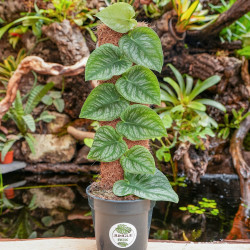
Philodendron 'Ring of Fire' has a relatively compact to semi-climbing growth habit. As it matures, it may benefit from a vertical support.
Growth is generally slower than many fully green Philodendron cultivars.
No support is essential while the plant is young. With maturity, a natural root, cork panel or planted vertical support can help produce a more structured growth habit.
Use a highly aerated and free-draining aroid mix containing coco chips, fine bark, perlite, sphagnum moss and light organic material.
The growing medium should retain moderate moisture while allowing plenty of airflow around the roots.
Keep the substrate lightly moist during active growth, allowing the upper layer to begin drying before watering again.
Avoid excessive watering and permanently saturated growing media.
Humidity of approximately 60% to 85% is particularly suitable.
Consistent humidity supports healthy new leaf development, provided adequate airflow is maintained.
Ideal growing temperature: approximately 20°C to 28°C.
Avoid prolonged cold conditions and cool draughts.
Philodendron 'Ring of Fire' prefers bright filtered light.
Good lighting helps maintain compact growth and highlights the variegation. Avoid harsh direct sunlight, particularly on pale areas of the leaves.
Slow to moderate growth.
Variegation reduces the amount of chlorophyll available and may result in slower development than in fully green Philodendron plants.
Mature plants may produce typical aroid inflorescences consisting of a spathe and spadix.
The plant is cultivated primarily for its spectacular foliage.
Propagation is mainly carried out from stem cuttings containing at least one viable node.
Remove only old or genuinely damaged foliage.
Do not remove leaves simply because they display less variegation, as colour patterns can naturally vary from one growth to the next.
Use a balanced low-strength tropical plant or aroid fertiliser during active growth.
Light regular feeding is preferable to concentrated fertilisation.
Few Philodendron cultivars offer such a wide range of colours on a single plant. A new leaf may emerge orange, become yellow or cream, then mature into a completely different green variegated pattern.
Supplied in a 6 cm pot, this young specimen allows you to watch the entire transformation develop leaf after leaf.
Provide bright filtered light to enhance the variegation without scorching the pale sections. With this cultivar, steady stable growth is preferable to pushing rapid development through excessive watering or fertilisation.
Like other Araceae, Philodendron plants contain calcium oxalate crystals. The sap may be irritating and the plant should not be ingested.

Specific References
You might also like
A true colour show, one leaf at a time: Philodendron 'Ring of Fire' can shift from copper and orange to yellow, cream and variegated green as each leaf matures. Supplied in a 6 cm pot, this young plant is ideal for watching the full transformation unfold with every new growth.