- New
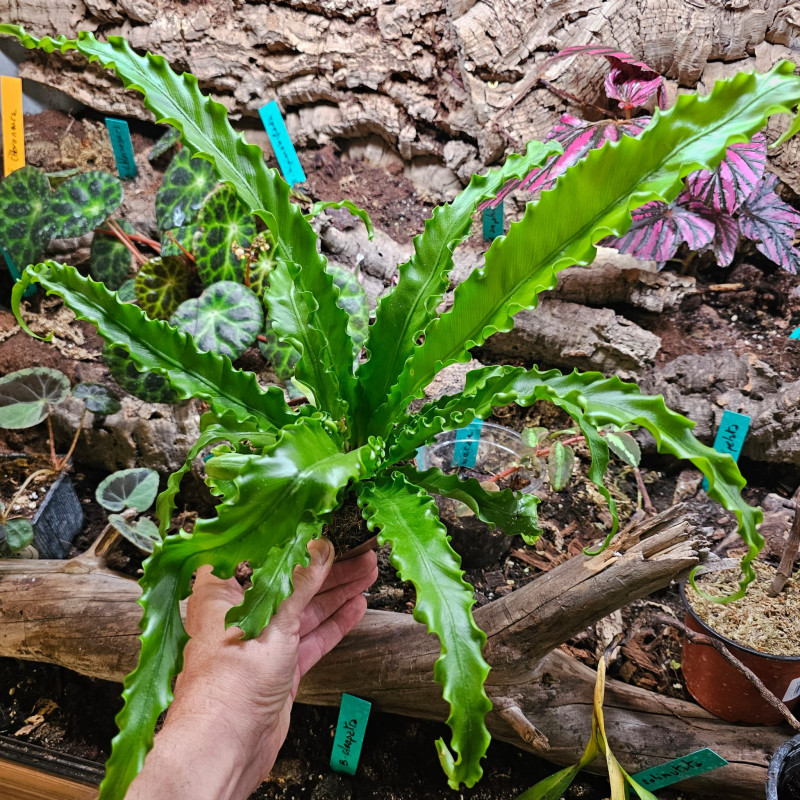
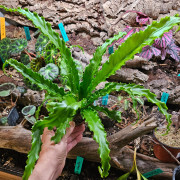
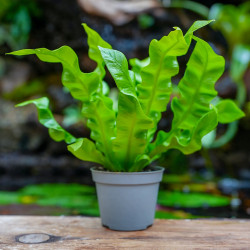
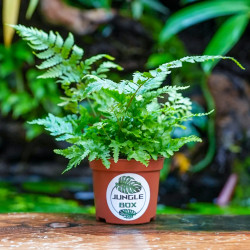
A wave of green in the heart of the display: Asplenium nidus 'Osaka' forms a generous rosette of long glossy fronds with strongly ruffled edges. Supplied in a 12 cm pot, it instantly adds volume, movement and a lush tropical forest atmosphere to large terrariums and paludariums.

Security policy


Satisfaction guaranteed or your money back
 Free shipping on orders over €59
Delivery throughout Europe in 48 hours.
Asplenium nidus 'Osaka' is a striking tropical bird's nest fern distinguished by its long glossy green fronds with strongly waved and ruffled margins. More graphic than a standard bird's nest fern, it gradually forms a dense elegant rosette that brings immediate volume and movement to tropical displays.
Supplied in a Ø 12 cm pot, it is already an attractive specimen for large tropical terrariums, emerged paludarium sections or warm humid indoor cultivation.
Aspleniaceae
Asplenium
Asplenium nidus
Asplenium nidus 'Osaka'
Ø 12 cm
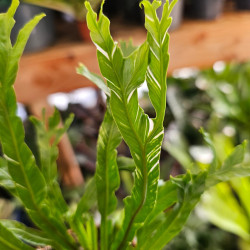
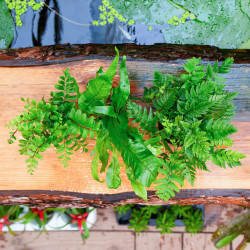
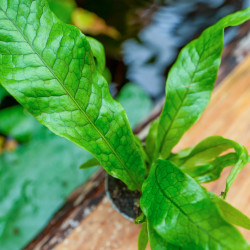
The fronds are long, simple, fresh to deep green and slightly glossy. Their defining feature is their strongly waved margins, creating a soft, ruffled and highly dynamic appearance.
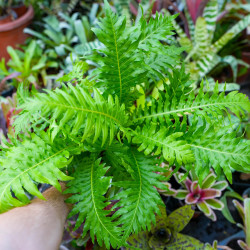
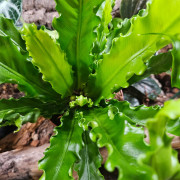
New fronds emerge from the centre of the rosette and gradually unfold outward.
Asplenium nidus 'Osaka' forms a compact nest-shaped rosette typical of bird's nest ferns.
With age, the plant may become relatively substantial and develop long arching fronds, making it best suited to medium and large tropical terrariums.
Use a light, humus-rich and free-draining substrate that retains regular moisture while maintaining good root aeration.
A mix containing coco humus or fibre, fine bark, perlite and sphagnum moss works particularly well.
Keep the substrate lightly moist without leaving it permanently saturated.
Water around the rosette rather than allowing water to remain permanently trapped in the crown.
Humidity of approximately 60% to 85% is particularly suitable.
Humid air encourages lush, flexible fronds, although adequate airflow remains important.
Ideal growing temperature: approximately 18°C to 27°C.
Avoid prolonged cold conditions. This fern prefers warm and relatively stable temperatures.
Asplenium nidus 'Osaka' prefers medium to bright filtered light.
Good indirect lighting encourages a dense rosette and well-formed fronds. Avoid harsh direct sunlight.
Slow to moderate growth. New fronds gradually emerge from the centre and become longer as the plant matures.
Like all ferns, Asplenium nidus 'Osaka' does not produce flowers or seeds.
It reproduces naturally through spores carried on fertile fronds.
Remove only old or damaged fronds at the base.
Avoid unnecessary handling of young fronds while they are unfurling from the centre.
Use a very dilute fern or tropical plant fertiliser occasionally during active growth.
Light regular feeding is preferable to concentrated applications.
'Osaka' transforms the classic bird's nest fern silhouette with generously waved foliage. Its fronds almost seem to be in motion and quickly create a lush tropical focal point.
Supplied in a 12 cm pot, it is ideal for structuring the midground or background of a large tropical terrarium.
Position it slightly elevated or at the base of a large root so the fronds can spread freely. Its ruffled foliage looks particularly effective above lower plants such as Fittonia, Labisia, Begonia and compact ferns.

Specific References
You might also like
A wave of green in the heart of the display: Asplenium nidus 'Osaka' forms a generous rosette of long glossy fronds with strongly ruffled edges. Supplied in a 12 cm pot, it instantly adds volume, movement and a lush tropical forest atmosphere to large terrariums and paludariums.